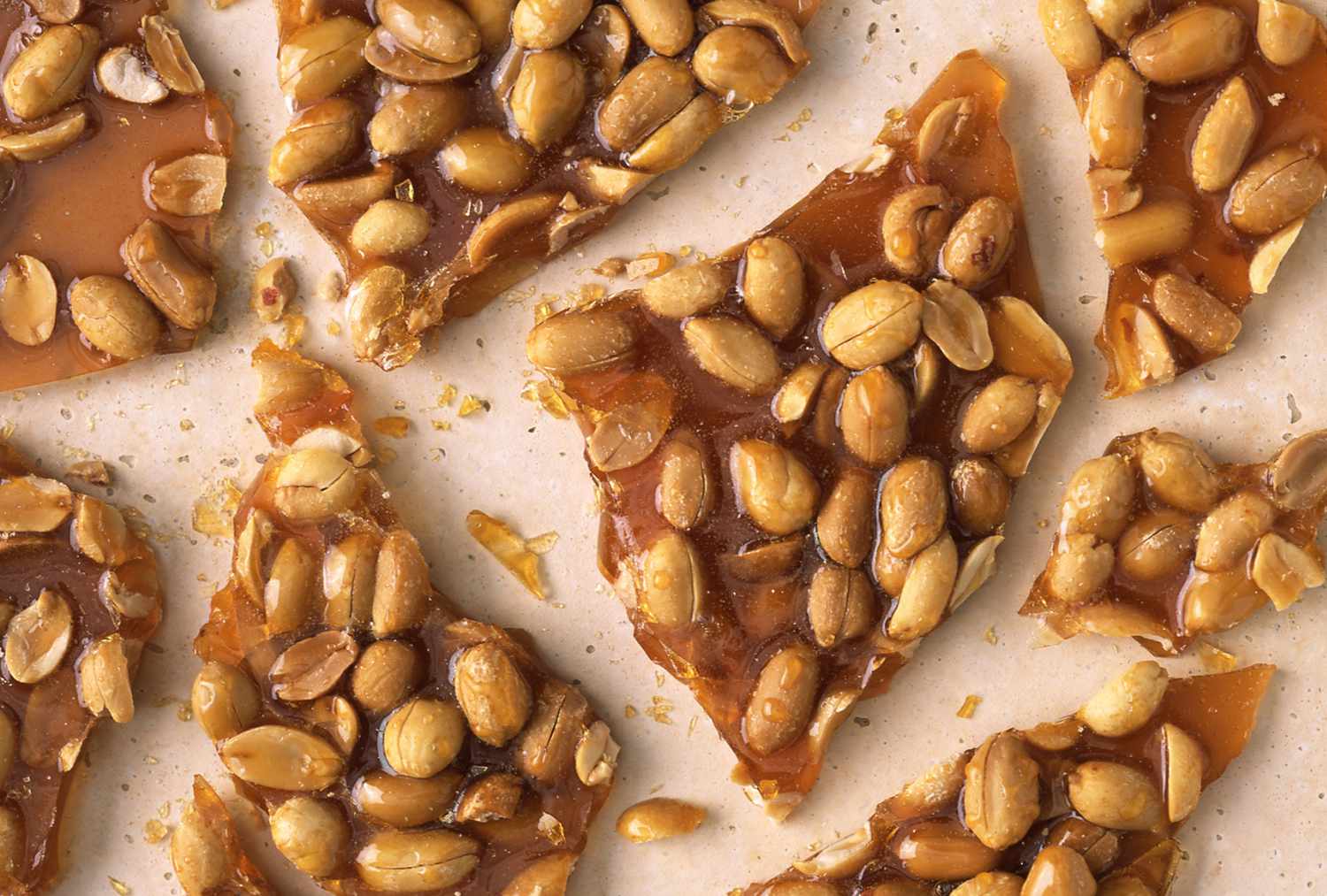
Old-Fashioned Peanut Brittle: Your 5-Ingredient Recipe, No Corn Syrup
There’s a certain magic that comes with a classic candy, and old-fashioned peanut brittle stands proudly at the top of that list. Imagine a symphony of sweet and salty notes, dissolving into an irresistible crunch that leaves you craving more. This isn't just any treat; it's a beloved confection that conjures memories of simpler times and homemade goodness. Best of all? You can achieve this delightful alchemy right in your kitchen with just five simple ingredients and, crucially, without a drop of corn syrup, promising an authentic flavor and texture that truly harks back to tradition.
Forget store-bought versions; the satisfaction of crafting your own perfect batch of peanut brittle is unparalleled. It's surprisingly easy, incredibly rewarding, and an absolute crowd-pleaser, making it an ideal candidate for holiday gifting or simply a well-deserved personal indulgence. We'll guide you through every step, sharing expert tips and insights to ensure your homemade peanut brittle is airy, crisp, and utterly delicious, every single time.
The Allure of Old-Fashioned Peanut Brittle: A Timeless Treat
What makes peanut brittle such an enduring classic? It's more than just a sweet treat; it's a sensory experience. The moment you break a piece, you hear that satisfying snap. Then comes the initial burst of sweetness, quickly followed by the earthy, roasted flavor of peanuts and a subtle hint of salt that perfectly balances the rich sugar base. This delightful interplay of textures and tastes is what secures its place in the hearts of candy lovers.
Our focus on a "no corn syrup" recipe isn't just about avoiding an ingredient; it's about preserving an authentic, old-fashioned character. While corn syrup is often used in candy making to prevent crystallization and add chewiness, traditional brittle relies purely on granulated sugar, cooked to the hard crack stage, to achieve its signature crispness. This method results in a brittle that's beautifully delicate, shattering cleanly rather than bending, offering a purer, more straightforward sweetness that true connoisseurs appreciate. It’s a testament to how simple ingredients, when handled correctly, can produce extraordinary results.
The timeless appeal of peanut brittle also lies in its versatility. While perfect for a personal snack, it shines as a thoughtful homemade gift. "There's just something comforting about opening this little tin [of peanut brittle] and finding a little magic surprise," notes culinary producer Nicole McLaughlin (a.k.a. NicoleMcMom), highlighting its cherished role during festive seasons. For more on gifting, check out our guide on Homemade Peanut Brittle: Easy Recipe for Perfect Holiday Gifts.
Crafting Your Perfect Peanut Brittle: The 5 Essential Ingredients
Creating this irresistible salty-sweet treat requires just five humble ingredients, each playing a crucial role in achieving that perfect candy crunch. Simplicity is key to its old-fashioned charm:
- Peanuts: The star of the show! For a truly dark and rich peanut brittle, many enthusiasts, including Nicole McLaughlin, recommend using raw peanuts with their skins on. Roasting them slightly during the cooking process brings out their natural oils and deepens their flavor. While raw peanuts are traditional, you can also use dry-roasted, unsalted peanuts if preferred.
- Granulated Sugar: The foundation of your brittle. Cooked to the hard crack stage, it forms the crisp, glass-like candy matrix.
- Butter: Adds richness, a lovely golden hue, and helps prevent sticking. It also contributes to the smooth mouthfeel and buttery notes that enhance the overall flavor profile.
- Salt: A pinch of salt is vital. It doesn't just make the brittle salty; it brightens and balances the sweetness of the sugar, preventing the candy from being cloyingly sweet and enhancing all the other flavors.
- Baking Soda: This often-unlisted fifth ingredient is the secret to brittle's signature airy, delicate texture. When added at the very end, it reacts with the hot sugar, creating tiny carbon dioxide bubbles. These bubbles aerate the candy, making it lighter, more tender, and easier to break, rather than hard and rock-like. Without it, your brittle would be denser and tougher.
You’ll notice that unlike many modern candy recipes, there's absolutely no corn syrup in this list. This commitment to traditional ingredients ensures an authentic flavor and a beautifully crisp, melt-in-your-mouth texture that truly defines old-fashioned peanut brittle.
Master the Art of Brittle Making: Tips for Success
While the ingredient list is short, making perfect peanut brittle is all about timing and technique. Don't be intimidated; with these expert tips, you'll be a brittle master in no time!
Preparation is Key (Mise en Place)
This is arguably the most critical step. "Have all the ingredients already measured and ready to go before you start cooking. There's no time for dilly-dallying," warns Nicole McLaughlin. The cooking process is fast-paced, especially once the sugar mixture reaches high temperatures. You won't have a moment to measure butter or search for the baking soda. Have your peanuts, sugar, butter (cut into pieces), salt, and baking soda (pre-measured) lined up and ready. Also, ensure your baking sheet or counter surface is well-oiled and ready to receive the hot brittle.
The Candy Thermometer and Its Alternative
A good candy thermometer is your best friend when making brittle. It ensures accuracy, guiding you to the precise "hard crack" stage (around 300-310°F or 149-154°C) where the sugar is perfectly cooked for crispness. If you don't have a candy thermometer, there's a classic test: in Step 5 (or when the syrup is boiling vigorously), try dropping a small amount of the boiling syrup into a bowl of cold water. If it instantly forms hard, brittle threads that snap easily, it’s ready. If it's still pliable, keep cooking.
Watch the Weather: Humidity is the Enemy
This might sound unusual, but the weather genuinely impacts your brittle. "Brittle is best made on a dry, low-humidity day," experts advise. Humidity introduces moisture into the air, which the cooling candy will attract. This can lead to a sticky, chewy brittle instead of the desired crispness. Humidity also slows the cooling process, increasing the chances of unwanted sugar crystals forming. Pick a crisp, dry day for the best results!
Safety First: Molten Candy is Extremely Hot
Please exercise extreme caution. Molten sugar is incredibly hot and can cause severe burns. When pouring the hot brittle onto your prepared surface, consider wearing oven mitts or heat-resistant gloves to protect your hands. Keep children and pets away from the cooking area.
Achieving the Perfect Texture: The Bubble Test
One tell-tale sign of perfectly made brittle, according to Nicole McLaughlin, is seeing "little pockets of bubbles around the edges" when it’s still warm on the baking sheet. "That shows you it'll be airy, light, and tender," she explains. These tiny air pockets, largely thanks to the baking soda, are what give brittle its signature delicate crunch and make it easy to break.
Beyond Peanuts: Customizing Your Brittle
While peanuts make the classic brittle, don't hesitate to experiment! You can easily substitute peanuts with other nuts like cashews, almonds, pecans, or even a mix. Simply use the same quantity. For an extra twist, try adding a pinch of cinnamon or a splash of vanilla extract (added along with the baking soda) at the very end of the cooking process for an aromatic variation.
Storing Your Homemade Peanut Brittle for Lasting Freshness
Once you've gone to the effort of making a perfect batch of peanut brittle, you'll want it to last! Proper storage is crucial for maintaining its crisp texture and delicious flavor.
- Airtight is Right: Always store your cooled and broken peanut brittle in an airtight container at room temperature. This protects it from moisture and air, which are brittle's worst enemies.
- No Refrigeration: Avoid refrigerating your peanut brittle. The moisture from the fridge will cause the candy to soften and become sticky, losing its signature crunch.
- Shelf Life: When stored correctly in an airtight container at room temperature, homemade peanut brittle will typically last for one to two months.
- Freezing for Longevity: Yes, you can freeze peanut brittle! It can be frozen for up to three months, though it's worth noting that freezing might slightly alter the texture upon thawing. To freeze, place pieces in zip-top freezer bags or sturdy freezer-safe containers, ensuring as much air is removed as possible. Thaw frozen brittle in the refrigerator overnight or simply leave it on the counter for a few hours before serving.
Embrace the Sweet, Salty Crunch!
There’s immense satisfaction in creating something so delightful from scratch, especially when it’s an old-fashioned favorite like peanut brittle. This 5-ingredient, no corn syrup recipe not only delivers on taste and texture but also offers a rewarding kitchen experience. From the careful preparation to the quick, decisive cooking and the final glorious crunch, every step culminates in a truly magical treat. Whether you’re whipping up a batch for holiday gifting, a special occasion, or simply to satisfy a craving, this homemade peanut brittle is guaranteed to impress. So, gather your ingredients, follow our tips, and get ready to enjoy the timeless appeal of this sweet, salty, and utterly irresistible candy!
